

Bad Bunny’s Super Bowl Moment, and What it Means for Salsa
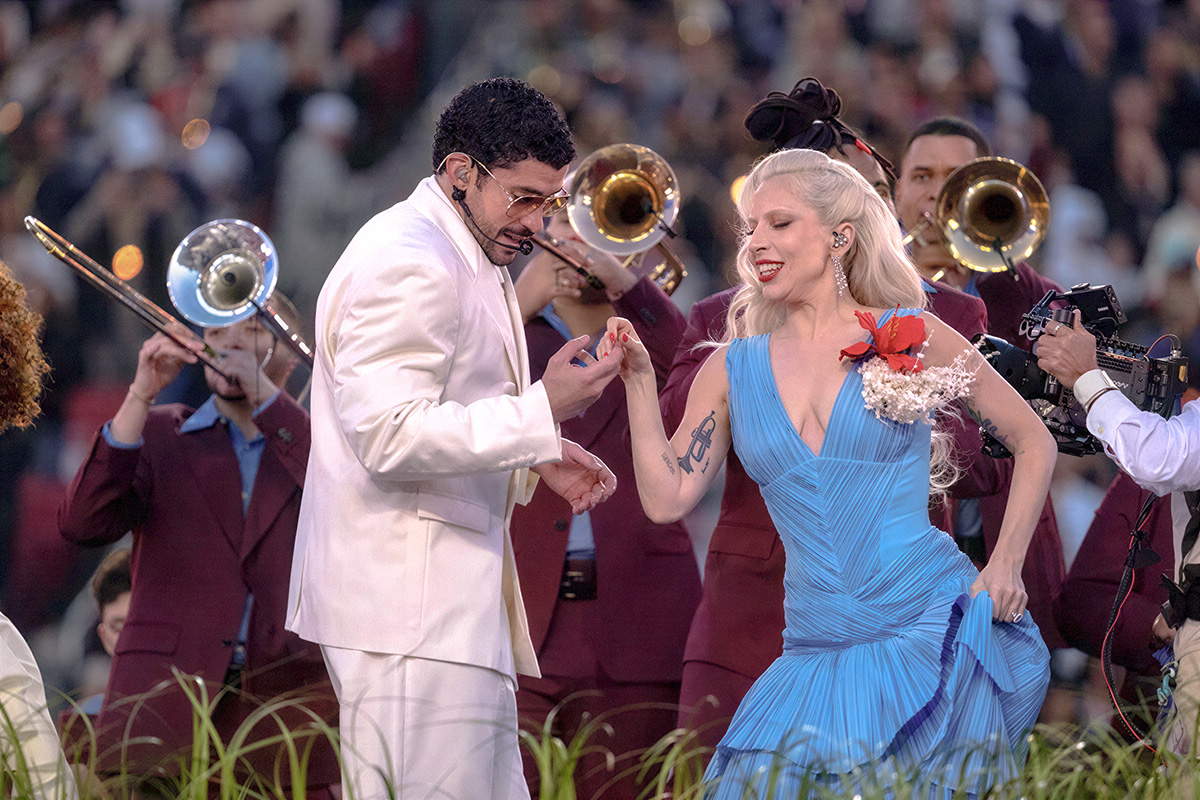
The New York Times dropped a piece this week framing Bad Bunny’s Super Bowl moment as a spark for a new wave of salsa interest, especially among younger dancers. My reaction is simple: the “surge” is believable, but what matters is whether we give people a clean on-ramp into the culture, not just a viral moment to chase.
Start with the scale. According to Nielsen’s audience report, the halftime show averaged about 128.2 million viewers during the performance window. That kind of exposure turns “salsa” from a word people recognize into something they actually go try, especially when the artist is already a cultural gravitational pull.
The post-show behavior backed that up fast. In Apple Music’s real-time listening breakdown, Bad Bunny’s listens jumped 7x immediately after halftime. That’s the funnel in real time: big stage, then a spike in curiosity, then a bunch of people asking, “Ok, what is this and where do I find it?”
The predictable backlash cycle happened too, and then it mostly collapsed under scrutiny. Reuters reported the FCC requested a transcript after complaints and political pressure, and the review concluded there was no violation of FCC rules. A lot of noise, and then nothing actionable, which tells you something about how this “controversy” functioned in the first place.
What I appreciate about the NYT angle is that it points at something the dance world has been living with for years: salsa is easy to become curious about, and weirdly hard to enter well. A newcomer watches a clip, gets inspired, searches “salsa classes,” and then runs into a maze: inconsistent quality, unclear messaging, random “beginner” classes that are not actually beginner-friendly, and social scenes that can feel intimidating if you don’t know the norms.
If this moment is bringing new people in, we should be happy about that, and also be responsible about it. That means making it easy to learn the fundamentals of salsa dance (history, different styles, basic steps), keeping respect for the music at the center, and making it easy for someone to go from “I’m curious” to “I’m dancing this week” without getting lost.
The bigger point is this: pop culture can open the door, but the community decides what’s on the other side of it. If we treat newcomers like a trend, they bounce. If we treat them like future dancers and future salseros, the culture grows, and it grows the right way.
See you on the dance floor.
Leave a comment